
CALORIES AND MACRONUTRIENTS
Calories & Macros The Basics
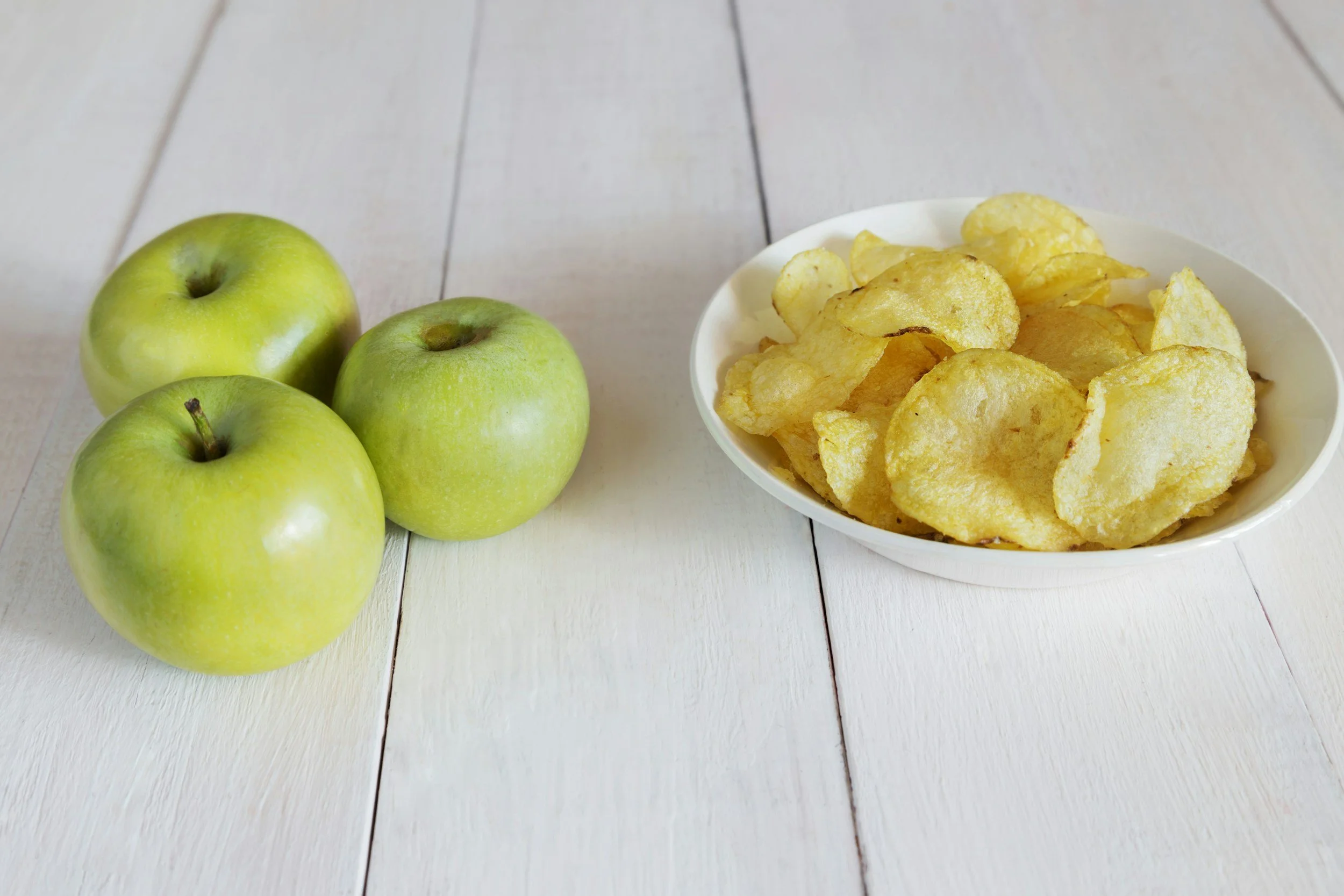
Calories are simply a unit of energy. Everything you eat contains calories, and your body uses that energy to move, train, recover, and function. If you consistently eat more calories than you burn, you gain weight. Eat less, you lose weight. No gimmicks, no shortcuts.
Macros (macronutrients) are where those calories come from:
Protein builds and repairs muscle
Carbohydrates fuel training and daily performance
Fats support hormones, joints, and overall health
Getting results isn’t about cutting foods or following trends. it’s about eating the right amount of calories and balancing your macros to match your goal. Master the basics, and the rest becomes simple. Lets go slightly into depth below.
Carbohydrates
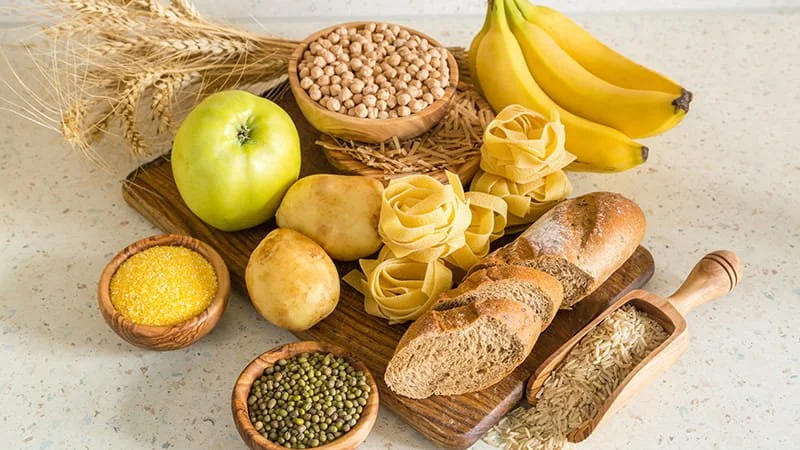
Carbs are your body’s main energy food. They give you the power to run, play, think, and train. When you eat carbs, your body saves that energy so you can use it later.
Carbs don’t make you fat. They help you move, grow stronger, and feel good when you use that energy.
Carbs give your body the energy to train hard. Before training, they help you feel strong and ready. During training, they help you keep going. After training, they help your muscles refill their energy so you’re ready for next time.
No carbs = low energy.
Enough carbs = better training, more fun, better results.
Fat is a nutrient your body stores to use for energy. It comes from foods like nuts, oils, avocado, and meat, and is important for keeping your hormones working properly, protecting your joints, and helping your body recover.
Your body uses fat for energy during lower-intensity activity and longer periods of movement, like walking, light cardio, or long training sessions. It also plays a big role when you’re resting or when carbs are low.
Fat is very energy-dense, providing 9 calories per gram, more than carbs or protein. During hard, fast training your body relies more on carbs, but as intensity drops or sessions go longer, fat energy takes over to keep you going. That’s why eating enough fat helps with endurance, recovery, and overall daily energy.
PROTEIN
FATS
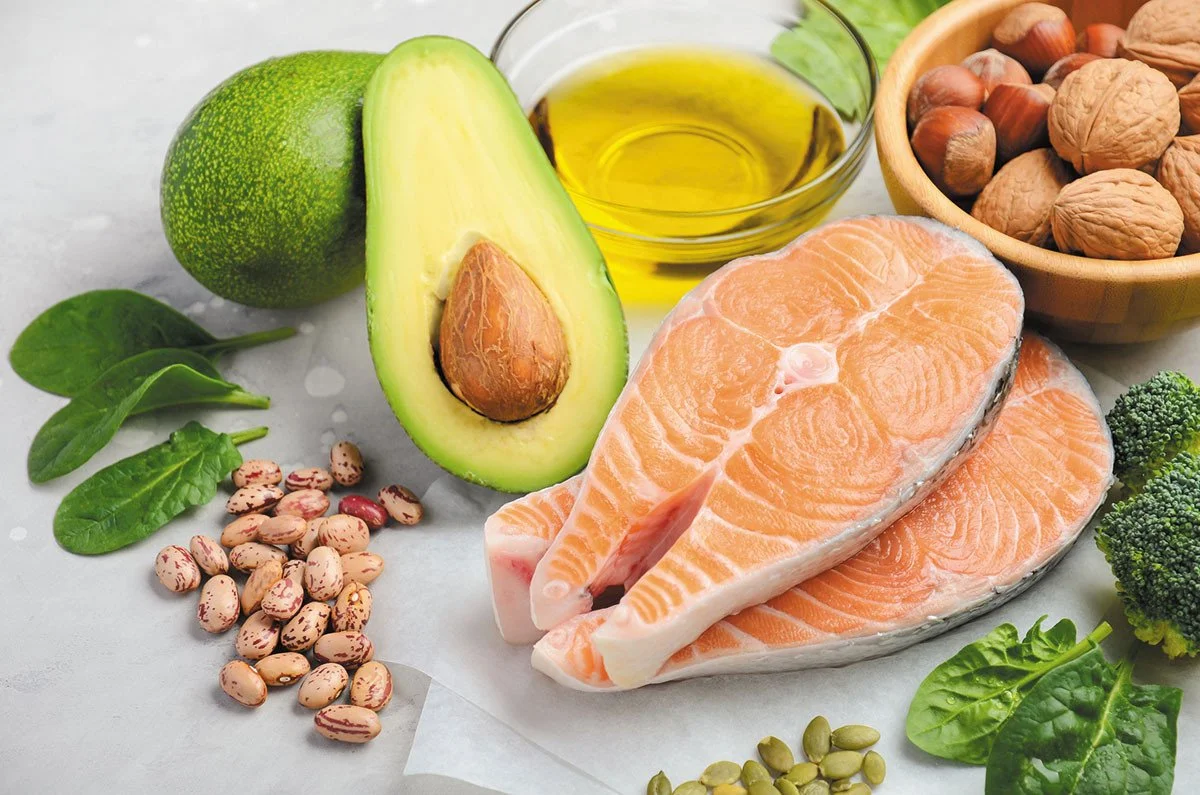
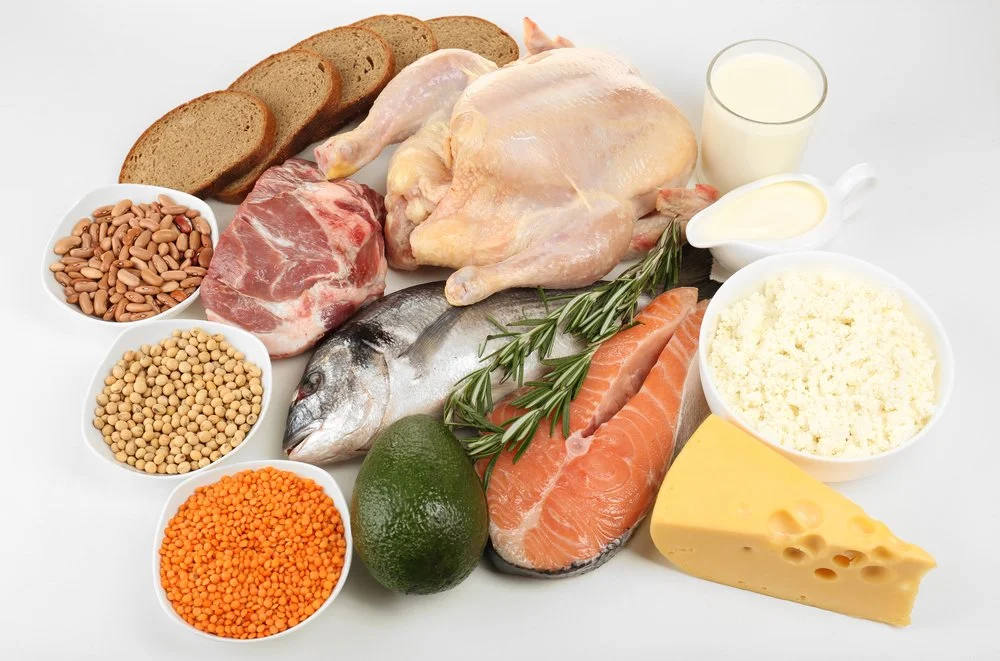
Protein is the nutrient your body uses to build and repair muscle, bones, and other tissues. You get it from foods like meat, eggs, dairy, fish, and plant sources like beans and nuts.
After training, protein is essential for muscle recovery and growth. Eating protein helps repair the tiny tears your muscles get during exercise, making them stronger and ready for your next session. Protein also supports your immune system and overall health.
It provides 4 calories per gram, and while it’s not the main energy source during workouts, having enough protein after training ensures your body can recover, adapt, and make real progress.
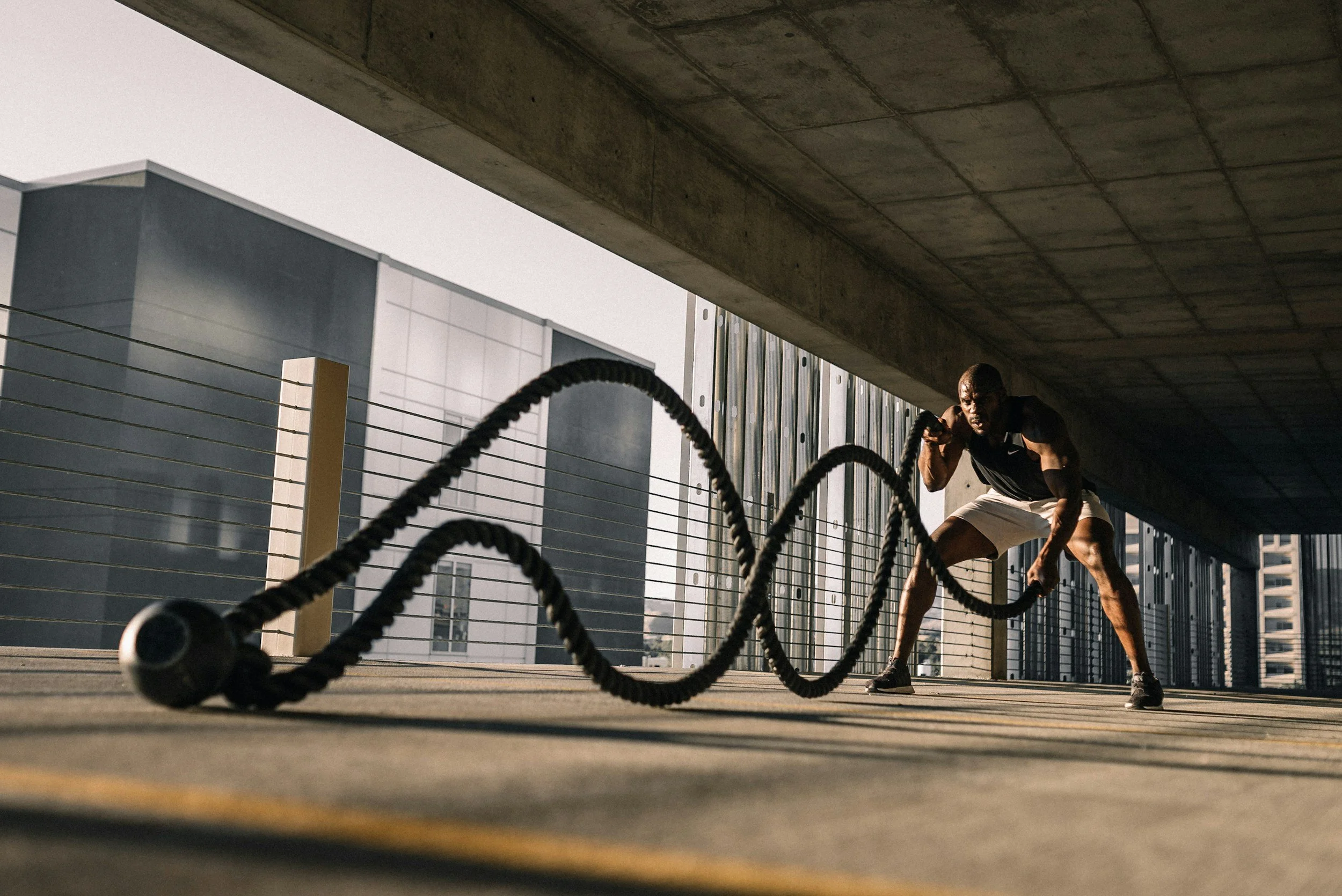
SETTING UP FOR TRAINING
Timing Your Macros for Training
Before Training – Focus on carbs and some protein. Carbs give you energy to train hard, while protein starts supporting your muscles. Eat 1–3 hours before your workout depending on what your stomach tolerates. Keep fats low before training, since they slow digestion.
During Training – For most workouts, you don’t need food. For very long or intense sessions, small carb snacks or drinks can help maintain energy.
After Training – Focus on protein and carbs. Protein repairs and builds muscles, while carbs refill your muscle energy (glycogen) so you’re ready for the next session. Fats are fine after training, but avoid making the meal too heavy so digestion doesn’t slow recovery.
Throughout the Day – Spread protein across meals, eat enough carbs for training days, and include healthy fats for energy, hormones, and recovery. Proper timing isn’t about perfection — it’s about making sure your body has energy when it needs it most.
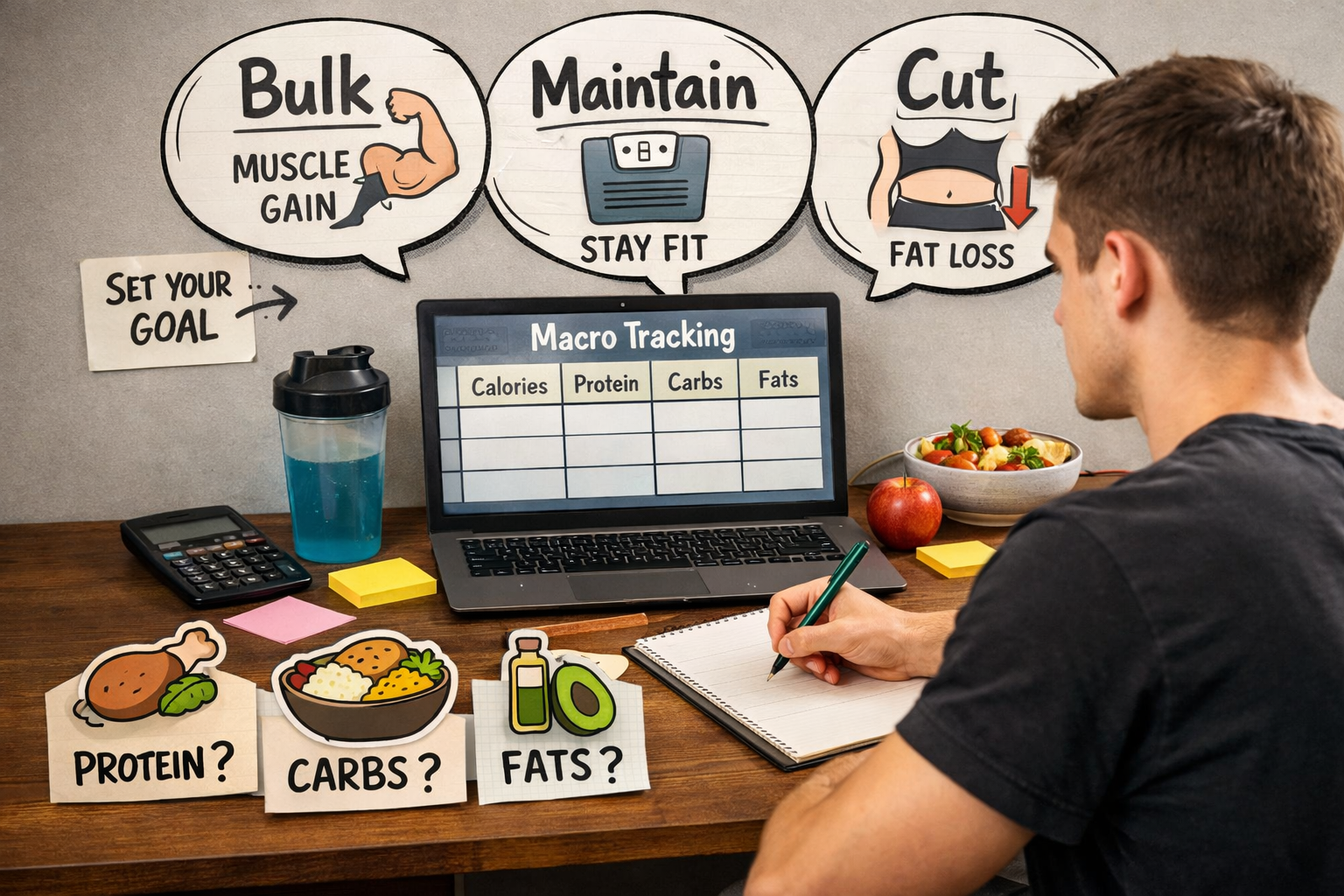
WHAT SHOULD MY CALORIES AND MACROS BE ?
Calories and Macros: How Much to Eat
How many calories and macros you need depends entirely on your goals:
Bulking (muscle gain) – Eat more calories than you burn to give your body the energy to build muscle.
Maintaining – Eat roughly the same calories as you burn to keep your weight and strength stable.
Cutting (fat loss) – Eat fewer calories than you burn so your body uses stored fat for energy.
The exact numbers will vary based on your body, activity level, and training intensity. The important part is matching your eating to your goal, then adjusting as you see progress. See examples in the adjustments section to understand this more.